

Osłona chroniąca przed fałszywą sygnalizacją
Nagromadzenie materiału jest jedną z najczęstszych przyczyn zakłóceń w pomiarze poziomu. Niezależnie od tego, czy chodzi o lepkie proszki, zawiesiny czy przewodzące materiały sypkie – gdy tylko materiał przylgnie do sondy, wzrasta ryzyko fałszywych sygnalizacji. Wilgoć lub kondensacja na sondzie czujnika mogą również powodować zakłócenia pojemnościowe.
Active Shield to technika aktywnego ekranowania, w której dodatkowe pole ochronne zapobiega fałszywym przełączeniom spowodowanym nagromadzeniem materiału. Właśnie w tym miejscu do akcji wkracza technologia Active Shield: gwarantuje ona, że czujnik reaguje wyłącznie na rzeczywiste medium, a nie na zakłócenia zewnętrzne. Rezultatem są stabilne, niezawodne sygnały pomiarowe, nawet w trudnych warunkach procesowych.
Dlaczego nagromadzenie materiału powoduje fałszywe przełączanie?
W przypadku pomiarów pojemnościowych lub opartych na częstotliwości radiowej materiał przewodzący przylegający do sondy może tworzyć niepożądane połączenie elektryczne ze ścianką zbiornika. Czujnik błędnie interpretuje to jako stan „zasypany” – nawet jeśli rzeczywisty poziom nie został jeszcze osiągnięty. Konsekwencją są fałszywe alarmy, zakłócenia procesu, a nawet nieplanowane przestoje zakładu.
Jak działa Active Shield?
Active Shield działa za pomocą dodatkowego, inteligentnie sterowania polem ochronnym, otaczającego sondę czujnika. W przeciwieństwie do czysto pasywnej osłony, technologia ta aktywnie wykorzystuje określony potencjał elektryczny i dynamicznie dostosowuje się do odpowiednich warunków procesu.
W uproszczeniu:
• Aktywna elektroda generuje własne pole pomiarowe.
• Jednocześnie Active Shield tworzy identyczny potencjał elektryczny – wyłącznie jako pole ochronne.
• To pole ochronne zapobiega gromadzeniu się materiału lub wilgoci, które mogłyby utworzyć most przewodzący do uziemienia (ścianki zbiornika).
• Fałszywe przełączanie jest niezawodnie tłumione.
Wynik:
Nawet jeśli materiał lub kondensat osadza się bezpośrednio na korpusie czujnika, sygnał pomiarowy pozostaje stabilny i jednoznaczny.
Zalety w skrócie
• Brak fałszywych sygnałów spowodowanych gromadzeniem się materiału lub wilgoci
• Stała jakość pomiarów, nawet w przypadku trudnych mediów
• Idealny do materiałów lepkich, lepkich lub przewodzących
• Zmniejszone nakłady konserwacyjne i wydłuża żywotność czujnika
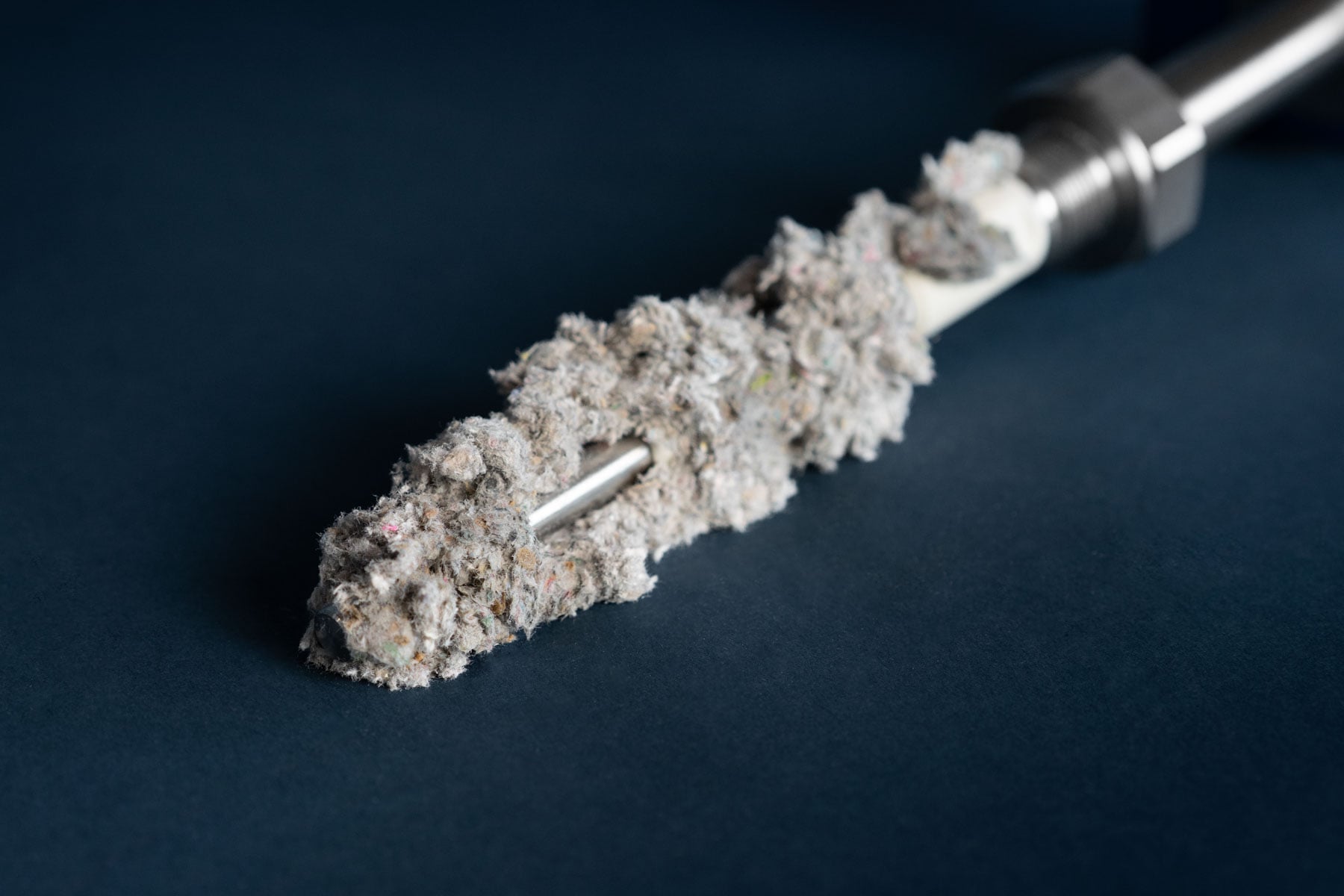
Poważne nagromadzenie materiału spowodowane wilgotną celulozą: typowe wyzwanie dla pomiaru poziomu w przemyśle celulozowym i recyklingowym
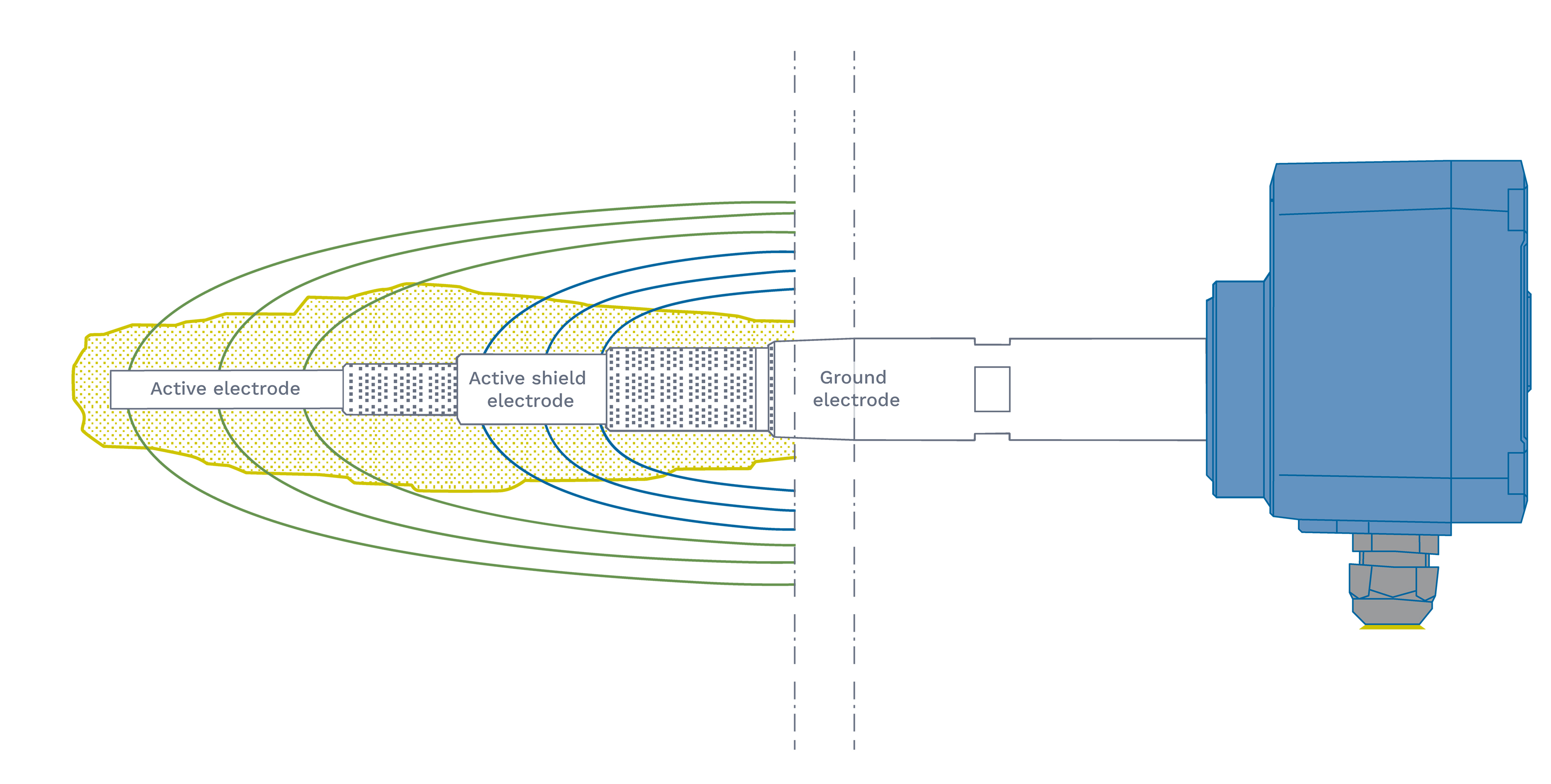
Niezawodny pomiar dzięki Active Shield: pole ochronne zapobiega fałszywym
przełączeniom spowodowanym nagromadzeniem się materiału
Dlaczego Active Shield jest często łączony z technologią RF?
Technologia RF (częstotliwość radiowa) oferuje zalety konstrukcyjne w wymagających zastosowaniach:
- Niezawodny pomiar nawet w środowiskach zapylonych
- Niska wrażliwość na gromadzenie się materiału
- Wysoka elastyczność w przypadku mediów o niskiej stałej dielektrycznej
- Solidna, bezobsługowa i trwała technologia
Dzięki pomiarowi złożonej impedancji elektrycznej sygnał pozostaje stabilny nawet wtedy, gdy do sondy czujnika przylegają media przewodzące. W połączeniu z Active Shield tworzy to szczególnie niezawodne rozwiązanie do zastosowań, w których konwencjonalne czujniki pojemnościowe osiągają swoje granice.
Co dzieje się wewnątrz zbiornika?
W przypadku metalowych ścianek zbiornika Active Shield generuje elektryczne pole ochronne między elektrodą a ścianką zbiornika (uziemieniem). Pole ochronne ma taki sam potencjał elektryczny jak pole pomiarowe elektrody aktywnej. W rezultacie sonda jest skutecznie ekranowana: nagromadzony materiał lub wilgoć nie mogą utworzyć bezpośredniego połączenia między elektrodą a uziemieniem – co skutecznie zapobiega fałszywym sygnalizacjom.
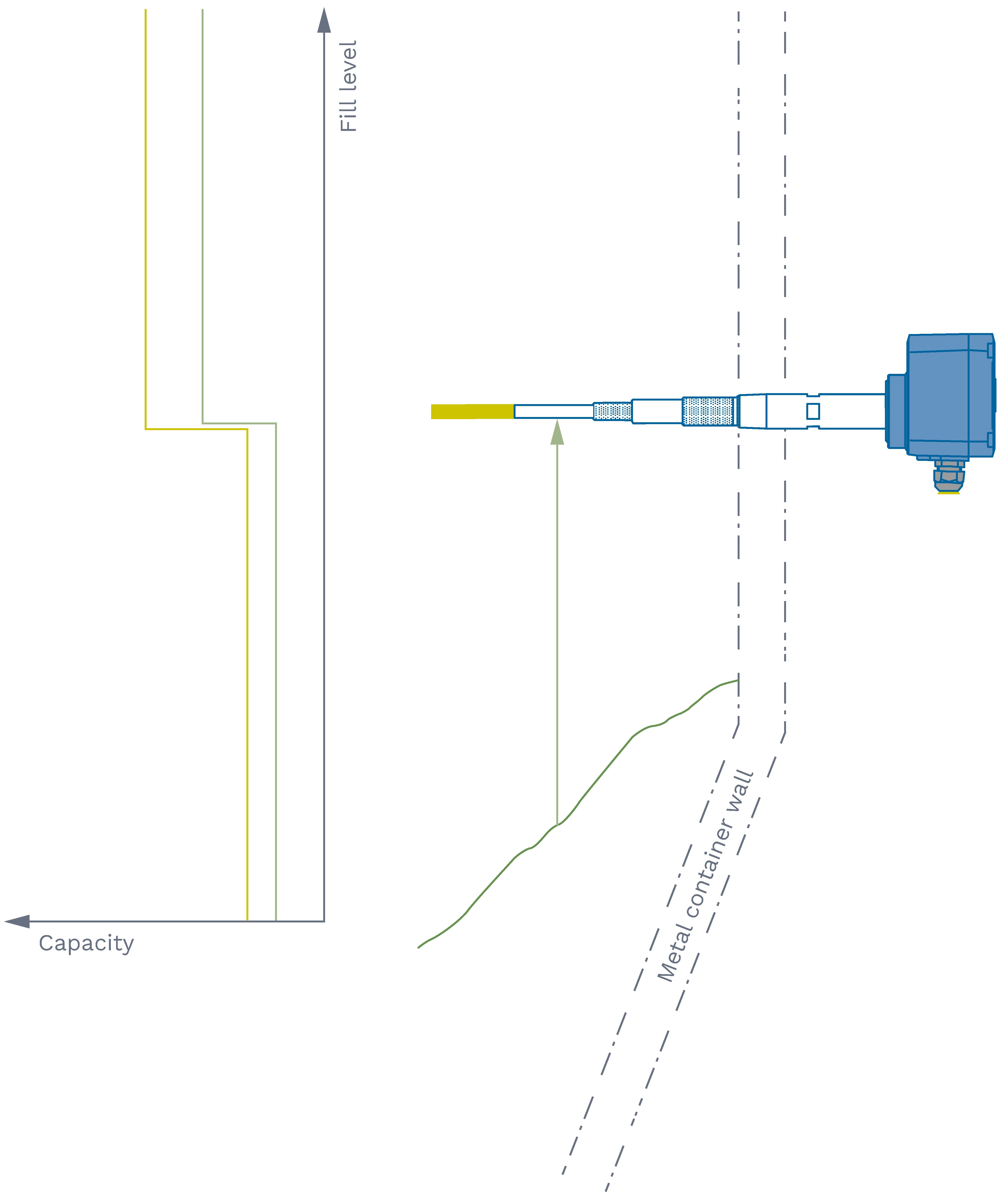
Zasada pomiaru RF: Czujnik wykrywa pojemność i impedancję elektryczną – wyraźna zmiana sygnału niezawodnie wskazuje, że poziom został osiągnięty.
Czujniki UWT z technologią Active Shield
Przegląd wszystkich czujników UWT wyposażonych w technologię Active Shield – zapewniającą maksymalną niezawodność pomiarów w szerokim zakresie zastosowań
-
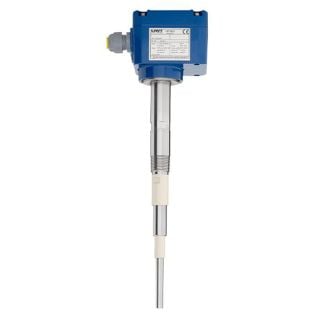
Czujnik pojemnościowy
RFnivo® - RF 3100 -
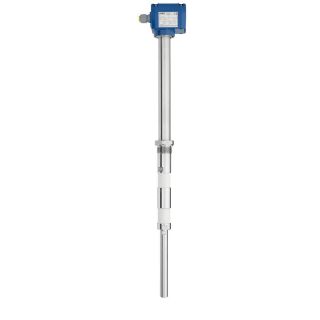
Czujnik pojemnościowy
RFnivo® - RF 3300 -
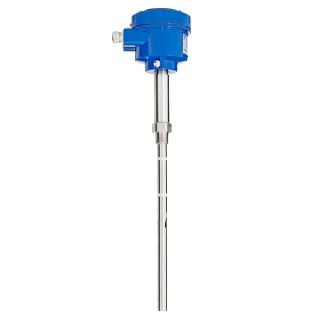
Czujnik pojemnościowy
RFnivo® - RF 8200
-

Czujnik pojemnościowy
RFnivo® - RF 3200 -
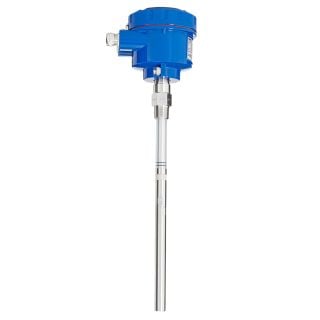
Czujnik pojemnościowy
RFnivo® - RF 8100 -
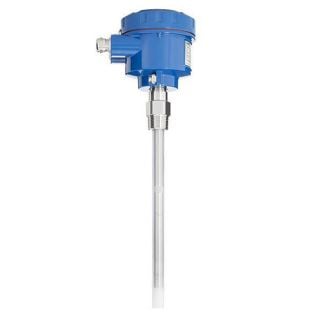
Czujnik pojemnościowy
NivoCapa® - NC 8100
-
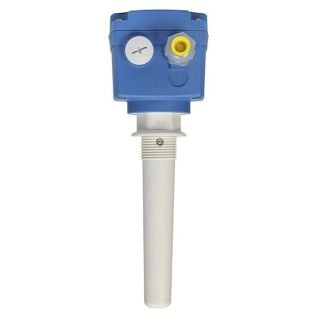
Czujnik pojemnościowy
Capanivo® - CN 4020 -

Czujnik pojemnościowy
Capanivo® - CN 4050 -
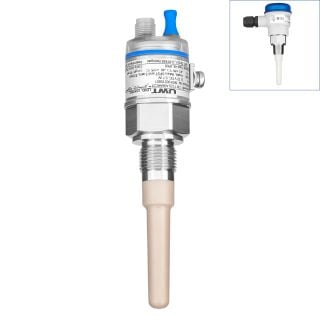
Czujnik pojemnościowy
Capanivo® - CN 7120 - Stal nierdzewna -
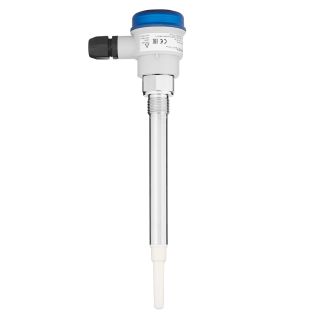
Czujnik pojemnościowy
Capanivo® - CN 7130 -
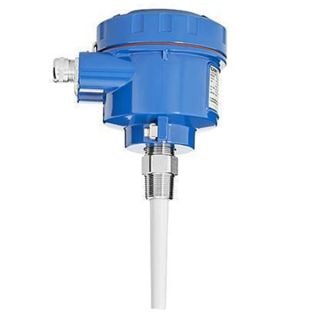
Czujnik pojemnościowy
Capanivo® - CN 8100
-
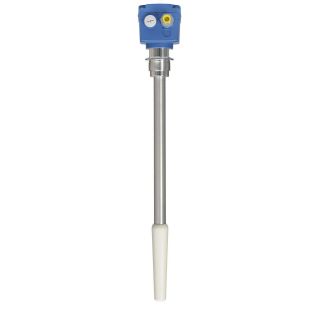
Czujnik pojemnościowy
Capanivo® - CN 4030 -
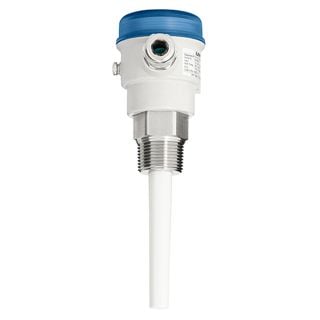
Czujnik pojemnościowy
Capanivo® - CN 7100 -
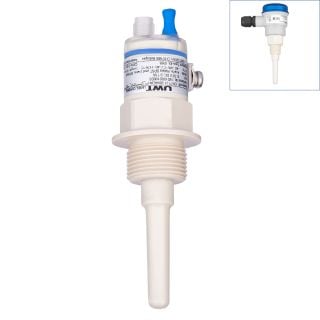
Czujnik pojemnościowy
Capanivo® - CN 7121 - Tworzywo sztuczne -
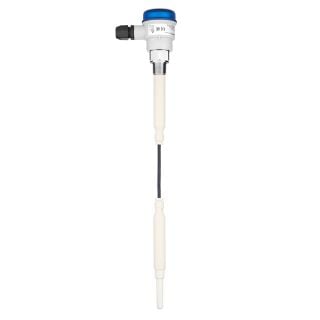
Czujnik pojemnościowy
Capanivo® - CN 7150