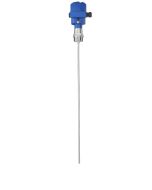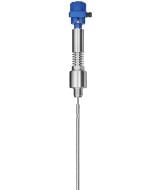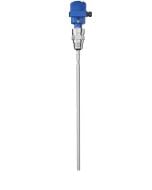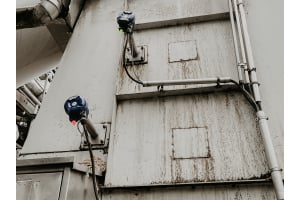


When it gets tricky!
TDR sensors are a reliable method of level determination even under difficult process conditions
Guided wave radar sensors are extremely versatile, which is why they can be found in a wide variety of applications and industries. In addition to the technology-related advantages of radar, the user-friendliness of the sensors has also had a positive impact and is another reason for its widespread use. Quick commissioning wizards, which guide the user step by step through the setting options, have greatly simplified calibration. Diagnostic functions and the easy to interpret echo curves help with troubleshooting, which shortens system downtimes enormously.
But what makes us come to this conclusion and what else is behind it?
Lear more about guided wave radar technology in this WHITE PAPER!
What topics are waiting for you:
✮ What is radar?
✮ How does level measurement with guided radar work?
✮ How do TDR sensors master the challenges of bulk solids applications?
✮ How do TDR sensors master the challenges in the liquid area?
↪ MEDIA CHARACTERISTICS
What needs to be taken into consideration...?
↪ INTERFACE MEASUREMENT
↪ Exemplary applications of the TDR in SOLIDS & LIQUIDS
FAQ – Guided wave radar level measurement (TDR)
When is guided wave radar (TDR) a better choice than non-contact radar?
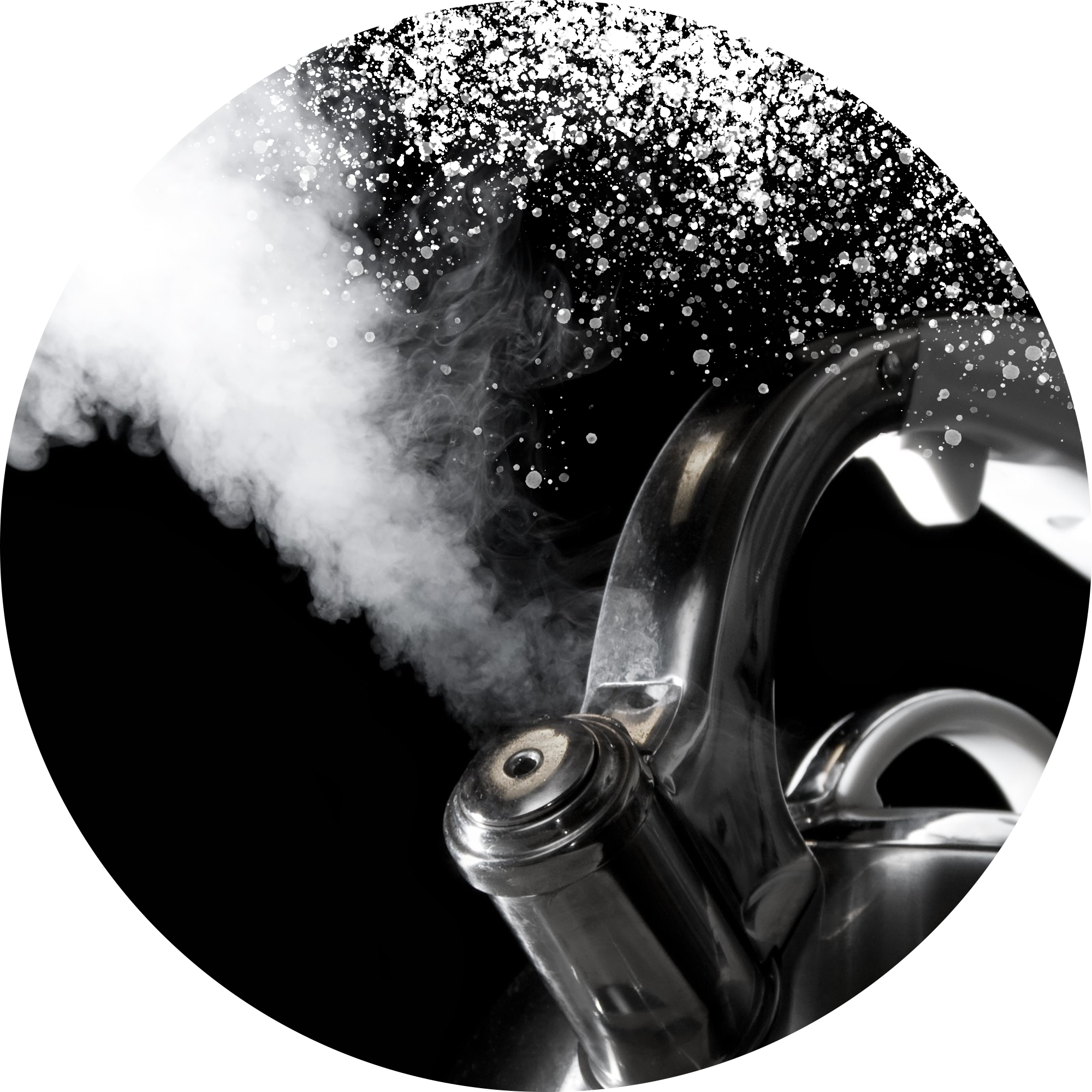
Guided wave radar (TDR) is particularly suitable for applications involving foam, steam, condensate, low dielectric constants or agitated product surfaces. As the radar signal is guided along a probe, the measurement remains stable even under challenging process conditions.
What advantages does TDR offer in the presence of foam and condensate?
As the measuring signal is guided along a probe, foam, condensate and steam have significantly less influence on the measurement than with many other measuring technologies. This ensures reliable level measurement even under challenging process conditions.
Can a TDR sensor measure level and interface simultaneously?
Yes. Depending on the sensor version, a TDR sensor can continuously measure both the overall level and the interface between two liquids. This allows two measurement tasks to be performed at a single measuring point.
For which vessels is guided wave radar suitable?
TDR is particularly suitable for tall, narrow or complex vessels with internal structures. Guiding the signal along the probe reduces interfering reflections and enables reliable measurement.
In which industries is guided wave radar used?
TDR sensors are used in the chemical, food, pharmaceutical, building materials, energy, water and wastewater industries, among others. They are suitable for challenging applications involving liquids and bulk solids.