

UWT level measurement technology –
durability that pays off
Reliable level measurement in silos is essential for efficient processes in the plastics industry.
A real-world application shows how UWT level sensors continue to deliver precise and stable measurement results even after more than 35 years in operation.
Challenge: Unreliable level readings and rising costs
At an industrial facility with storage silos for plastic granules, the operators faced a familiar issue:
The level readings had been displayed unreliably for years.
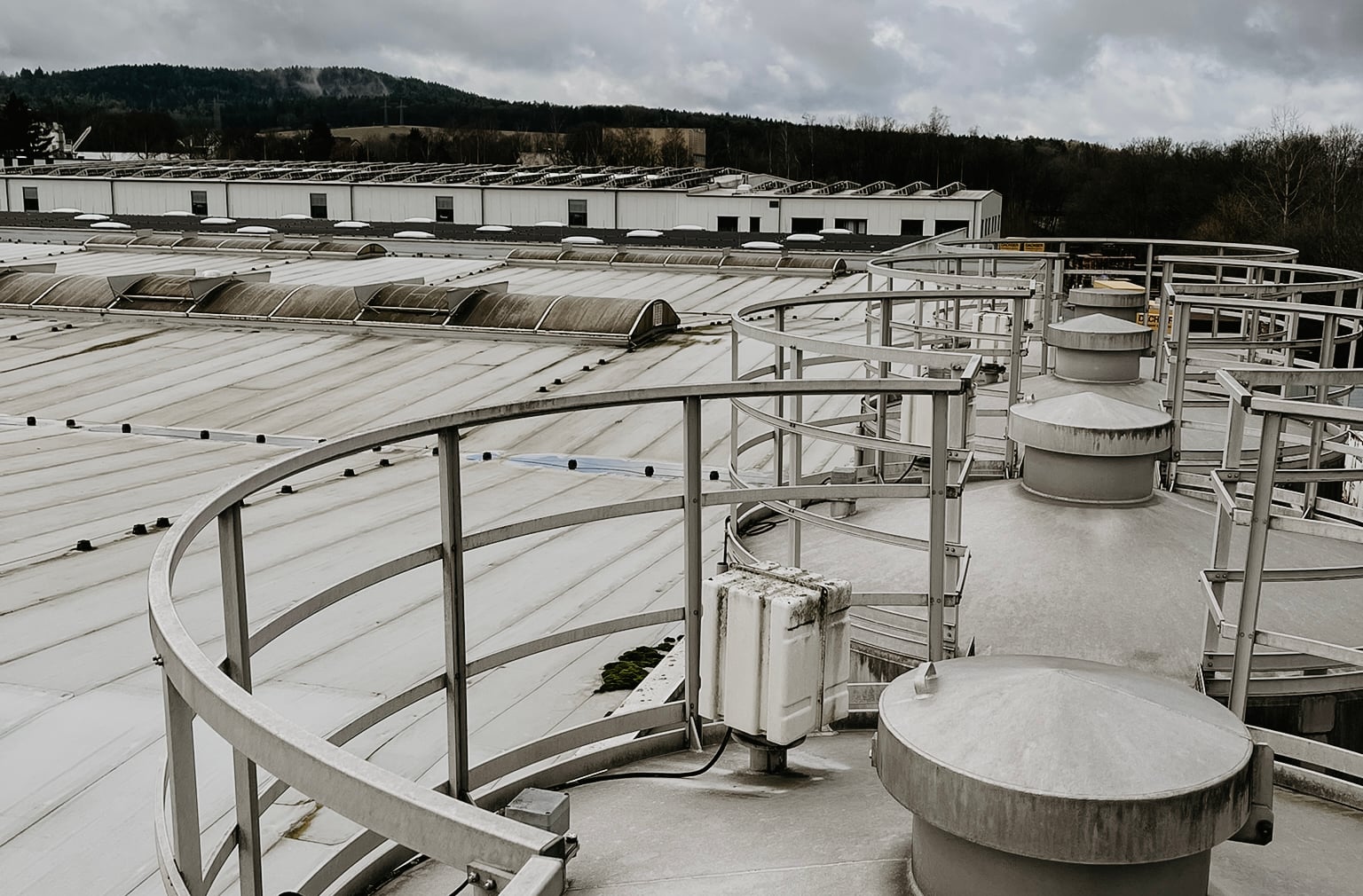
Five silos, each approximately 9 m (30 ft) high and 3.5 m (11.5 ft) in diameter, were filled alternately with different types of granules. However, the displayed values could no longer be trusted.
The result:
Material was ordered only when needed – without reliable planning.
With fluctuating plastic prices, this led to unnecessary costs and additional effort.
On site: A surprising discovery
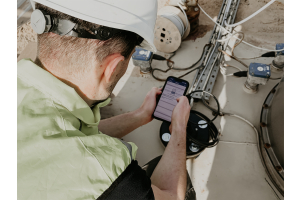
Together with our technical service and product management team, we analyzed the situation directly on site.
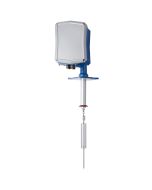
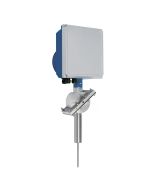
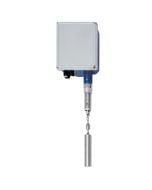
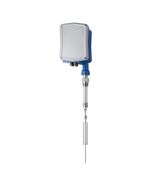
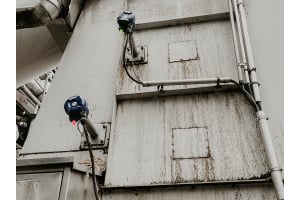
Installed on the silos: five mechanical plumb bob level systems of type SLS 100 – a classic rope-operated level system and the predecessor of today’s .
One detail stood out immediately:
The sensors were manufactured on February 13, 1990.
More than three decades in continuous operation – under real process conditions.
The technical design of these sensors has proven itself over decades.
A look at the original documentation highlights the design at the time: View the original SLS 100 device documentation from the 1980s

SLS 100 nameplate – manufactured in 1990
Reliable level measurement – clear analysis of measurement signals
A short technical inspection quickly revealed:
The UWT sensors were operating perfectly and provided accurate measurement signals.
Measurement principle:
- A sensing weight is lowered into the silo via a steel cable
- One pulse is generated per decimeter
- The pulses are externally converted into level values
The cause of the incorrect level readings was not related to the sensor technology:
The external evaluation system – not part of the UWT solution – misinterpreted the pulse signals. The UWT sensors continuously delivered correct and reliable measurement data.
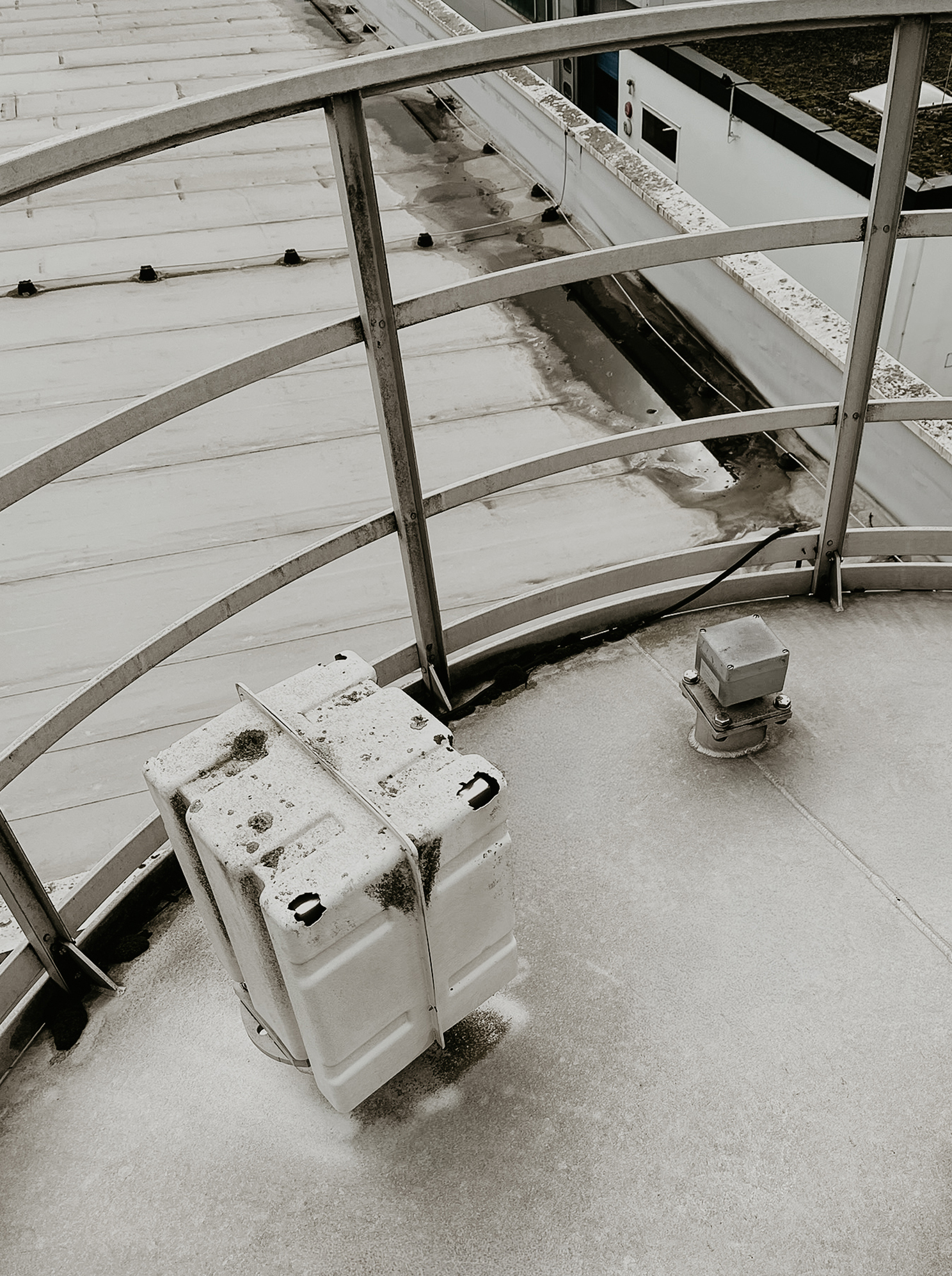
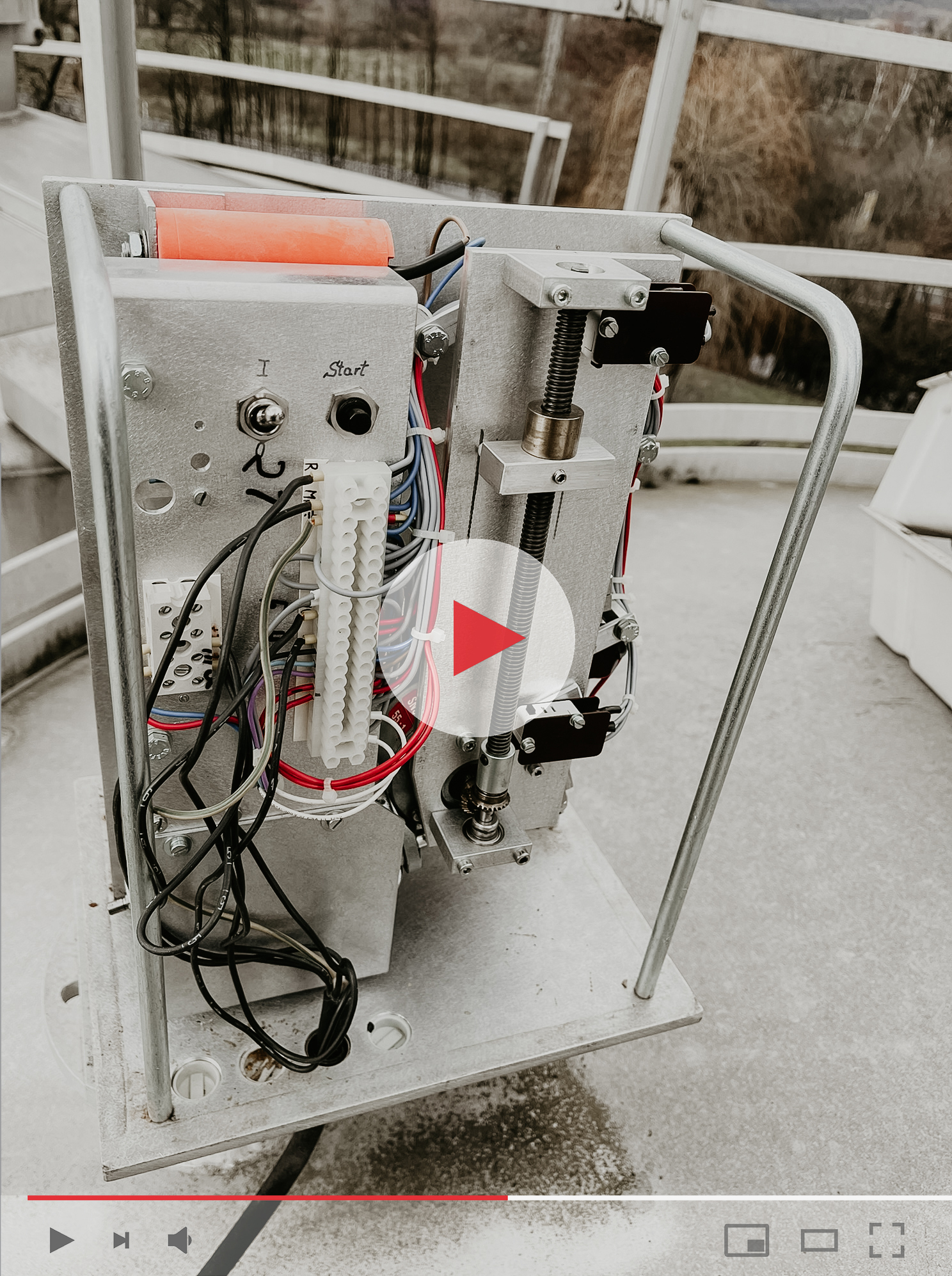
Mechanical plumb bob level system SLS 100: Reliable in operation even after more than 35 years of continuous use – despite a weathered protective cover
Conclusion: Quality proven over decades
This application clearly demonstrates the performance of durable level measurement technology:
- more than 35 years of precise and stable level measurement
- robust, low-maintenance sensor technology for continuous operation
- clear separation between sensor and evaluation enables fast root cause analysis
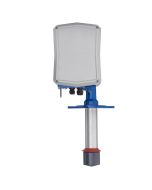
Mechanical rope-operated systems such as the SLS 100 – now further developed into the NivoBob® – stand for exactly this:
Technology that delivers reliable performance over the long term – even under real process conditions.
Discover in our brochure how UWT enhances quality and precision in the plastics industry:
What does this mean for you?
If level readings are inaccurate, the root cause is not always the sensor.
A holistic view of both sensor technology and signal evaluation is essential for reliable measurement results.
We support you in analyzing your application and identifying the right solution.
Get in touch – let’s take a closer look together.
UWT. LEVEL. UP TO THE MAX.