
-
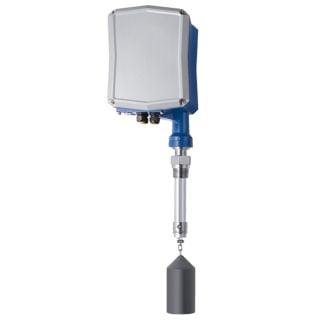
Electromechanical lot system
NivoBob® - NB 3100
Medium Solids Process pressure -0,5 bar … +1,7 bar (-7.3 psi … +25 psi) Process temperature -40°C ... +250°C (-40°F … +482°F) -
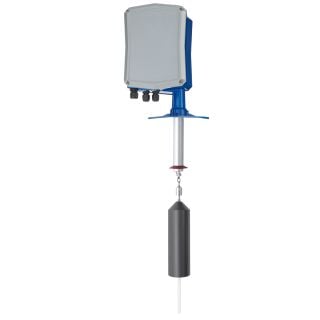
Electromechanical lot system
NivoBob® - NB 3200
Medium Solids Process pressure -0,5 bar … +1,7 bar (-7.3 psi … +25 psi) Process temperature -40°C ... +250°C (-40°F … +482°F) -
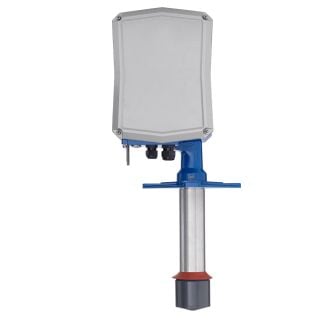
Electromechanical lot system
NivoBob® - NB 3300
Medium Solids Process pressure -0,5 bar … +1,7 bar (-7.3 psi … +25 psi) Process temperature -40°C ... +80°C (-40°F … +176°F) -
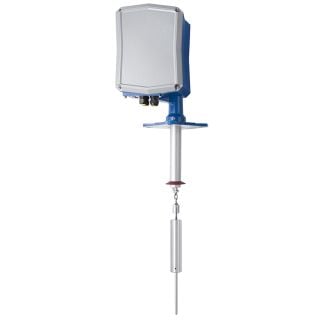
Electromechanical lot system
NivoBob® - NB 3400
Medium Solids Process pressure -0,5 bar … +1,7 bar (-7.3 psi … +25 psi) Process temperature -40°C ... +80°C (-40°F … +176°F) -
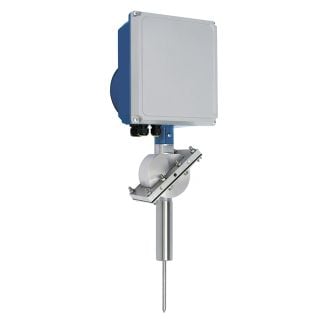
Electromechanical lot system
NivoBob® - NB 4100
Medium Solids Process pressure -0,2 bar … +0,2 bar (-3.0 psi … +3.0 psi) Process temperature -40°C ... +80°C (-40°F … +176°F) -
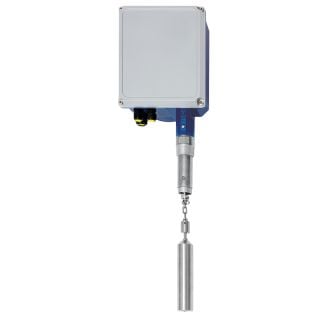
Electromechanical lot system
NivoBob® - NB 4200
Medium Solids Process pressure -0,2 bar … +0,2 bar (-3.0 psi … +3.0 psi) Process temperature -40°C ... +80°C (-40°F … +176°F) -
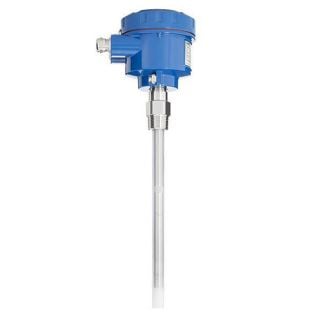
Capacitive sensor
NivoCapa® - NC 8100
Medium Liquids Process pressure -1 bar … +35 bar (-14.5 psi … +511 psi) Process temperature -40°C ... +200°C (-40°F … +392°F) -
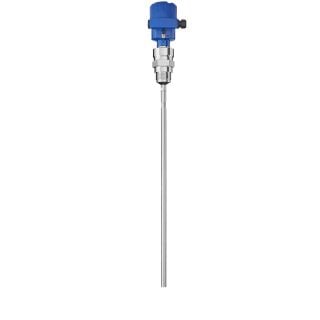
Radar sensor
NivoGuide® - NG 3100
Medium Solids Process pressure -1 bar … +40 bar (-14.5 psi … +580 psi) Process temperature -40°C ... +200°C (-40°F … +392°F) -
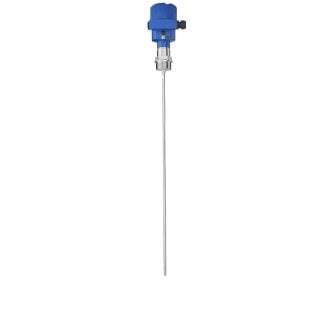
Radar sensor
NivoGuide® - NG 8100
Medium Liquids Process pressure -1 bar … +40 bar (-14.5 psi … +580 psi) Process temperature -60°C ... +200°C (-76°F ... +392°F) -
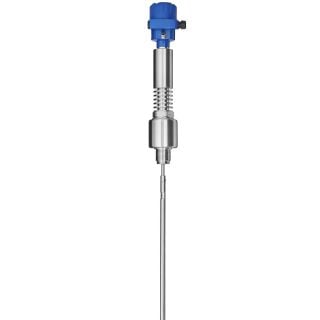
Radar sensor
NivoGuide® - NG 8200
Medium Liquids Process pressure -1 bar … +400 bar (-14.5 psi … +5800 psi) Process temperature -196°C … +450°C (-321°F … +842°F) -

Radar sensor
NivoRadar® - NR 3100 | Plastic horn antenna
Medium Solids Process pressure -1 … 2 bar | -14.5 … 29.1 psi Process temperature -40°C ... +80°C (-40°F … +176°F) -
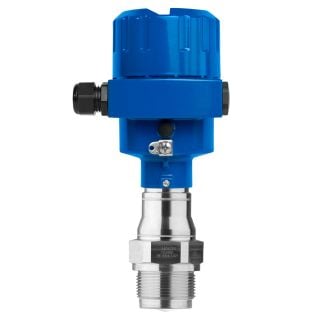
Radar sensor
NivoRadar® - NR 3200 | Threaded antenna
Medium Solids Process pressure -1 bar … +40 bar (-14.5 psi … +580 psi) Process temperature -55 … 250°C | -67 … 482°F -
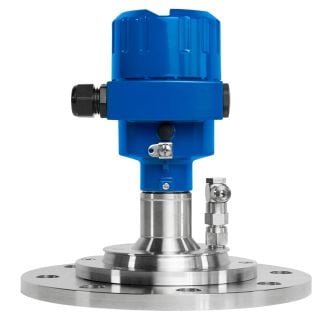
Radar sensor
NivoRadar® - NR 3300 | Lens antenna
Medium Solids Process pressure -1 bar … +3 bar (-14.5 psi … +43 psi) Process temperature -40°C ... +250°C (-40°F … +482°F) -
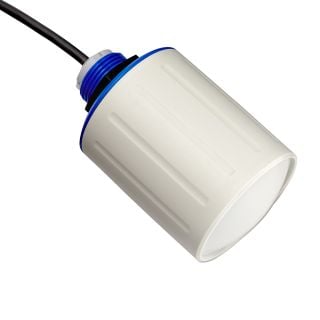
Radar sensor
NivoRadar® - NR 4100
Medium Liquids, Solids Process pressure -1 bar … +3 bar (-14.5 psi … +43 psi) Process temperature -40°C ... +80°C (-40°F … +176°F) -
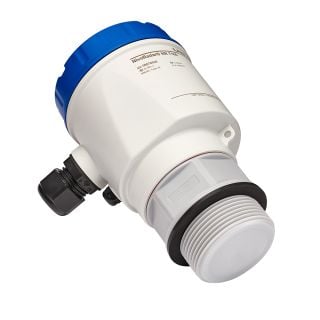
Radar sensor
NivoRadar® - NR 7100
Medium Liquids, Solids Process pressure -1 bar … +3 bar (-14.5 psi … +43 psi) Process temperature -40°C ... +60°C (-40°F … +140°F) -
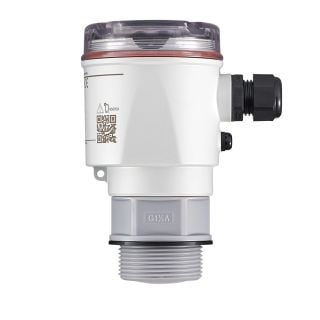
Radar sensor
NivoRadar® - NR 7200
Medium Liquids, Solids Process pressure -1 bar … +3 bar (-14.5 psi … +43 psi) Process temperature -40°C ... +80°C (-40°F … +176°F) -

Radar sensor
NivoRadar® - NR 8100 | Plastic horn antenna
Medium Liquids Process pressure -1 … 2 bar | -14.5 … 29.1 psi Process temperature -40°C ... +80°C (-40°F … +176°F) -
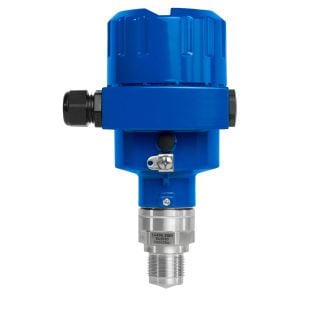
Radar sensor
NivoRadar® - NR 8200 | Threaded antenna
Medium Liquids Process pressure -1 bar … +40 bar (-14.5 psi … +580 psi) Process temperature -55 … 250°C | -67 … 482°F -
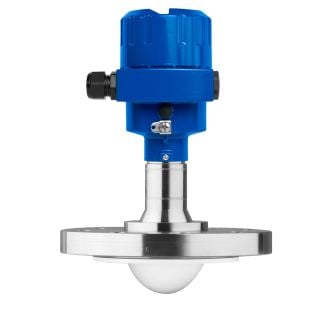
Radar sensor
NivoRadar® - NR 8300 | PTFE Antenna System
Medium Liquids Process pressure -1 bar … +25 bar (-14.5 psi … +363 psi) Process temperature -196 … 200°C | -320 … 392°F -
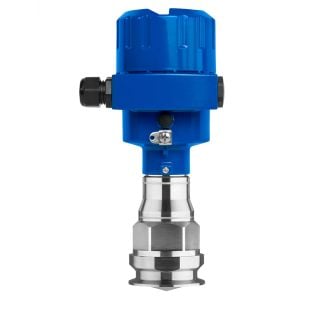
Radar sensor
NivoRadar® - NR 8400 | Hygienic antenna
Medium Liquids Process pressure -1 bar … +16 bar (-14.5 psi … +232 psi) Process temperature -40°C … +150°C (-40°F … +302°F) -
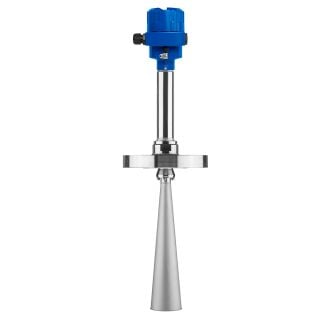
Radar sensor
NivoRadar® - NR 8500 | Horn antenna high-temperature
Medium Liquids Process pressure -1 … 160 bar (-14.5 … 2320 psi) Process temperature -196 … 450°C | -321 … 842°F
Continuous level measurement
Unlike , which can only detect a media level at a predefined point, level sensors detect the exact level of a medium in real time. The user is thus informed at all times about the current, percentage content of the container, which optimizes inventory management and reduces costs.
There are different technologies for continuous level measurement such as and as well as , all have advantages but also disadvantages depending on the application. For the selection, numerous process conditions have to be considered, which have to be mastered for the sensor technology. In addition, the requirements for bulk solids sensors differ from those for liquid sensors. For this reason, UWT offers a broad . This allows us to individually address their requirements to always provide them with the best possible solution.
Typical challenges:
- Media type (e.g. bulk, powder, liquid, paste, etc.)
- Media properties (e.g. bulk density, conductivity, viscosity, etc.)
- Input conditions (e.g. tank material, tank geometry, installation position, installations within the tank, etc.)
- Process conditions (e.g. pressure, temperature, ambient conditions, explosion protection, hygiene requirements, etc.)
FAQs
What is the difference between limit level and fill level?
In contrast to point level sensors, which only provide information on whether a certain level value has been exceeded or fallen below, continuous level sensors provide the current value of the level in the tank, i.e. from 0 % to 100 %.
How do you measure the fill level??
Level measurement is used to determine the fill level of media in industrial containers, such as process and storage tanks, silos or open channels. For this purpose, measured values are transferred into electronic signals. The output signal is integrated into the control loop of the process control system..
What conditions influence the choice of level measurement technology??
Liquid or solid, temperature, continuous measurement or limit level measurement, noise, dielectric constant, pressure, chemicals, material resistance, tank size, bulk material, density, agitators, measuring accuracy, price, shocks, vibration, container shape, calibration, response time, programming, size of the device, build-up..
How can fill levels be visualised?
Fill levels can be displayed in various ways. From the simplest indicator lights, digital display devices or touch panels to web server-based solutions. It is then possible to display the fill levels on PCs, laptops, tablets and smartphones. Locations are networked with each other and interfaces to ERP systems are created. Old and new systems can be flexibly connected and analysed.